
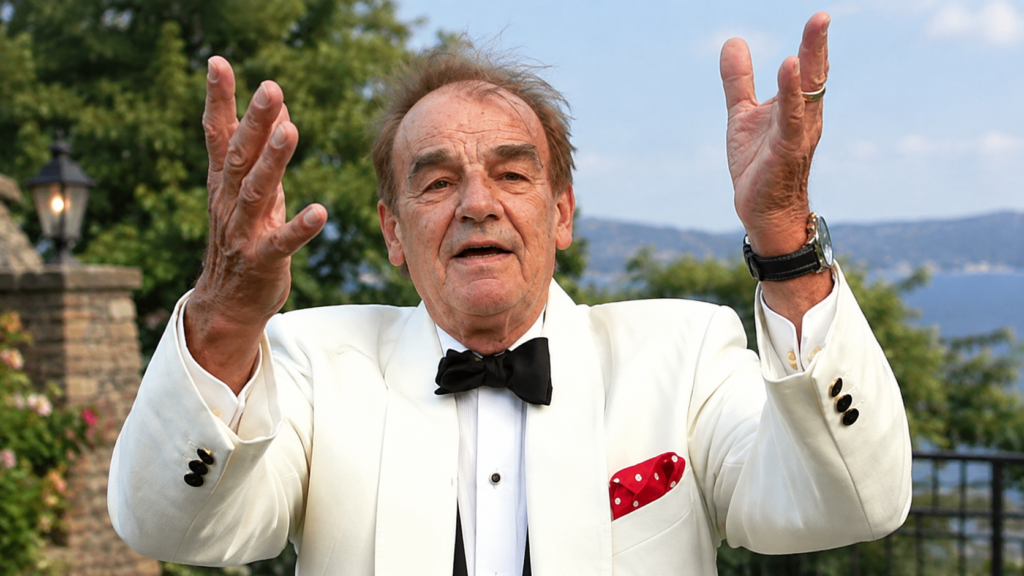

Keith Floyd was one of the most recognisable British chefs and television personalities of his generation. He became famous not simply for his cooking, but for the relaxed way he connected food with travel, culture and everyday life. At a time when many cooking programmes followed a formal studio format, Floyd took his viewers into markets, restaurants, kitchens and outdoor locations around the world.
His career covered restaurants, television, books and international food culture. Although his professional life included business difficulties and personal setbacks, his contribution to food broadcasting remained substantial. Even years after his death, his programmes and distinctive presentation style continue to attract interest from people who remember his work and newer audiences discovering it for the first time.
Early Life and Career
Keith Floyd was born on 28 December 1943 in Sulhamstead, Berkshire, England. Before becoming a household name, he followed a number of different paths. He worked as a journalist and served with the Royal Tank Regiment before developing a career in professional cooking.
His interest in restaurants eventually took him to Bristol, where he became involved in the restaurant trade. He also spent time in France, an experience that strengthened his appreciation of French food and regional cooking. These early years were important because they gave him practical experience that later became a central part of his television identity.
Unlike some television personalities who entered cooking primarily through broadcasting, Floyd had genuine experience working with food and running restaurants. That background helped him approach cooking from a practical perspective when he eventually moved in front of the camera.
From Restaurants to Television
Floyd’s move into television developed through his restaurant connections and his natural ability to communicate. His first major BBC series was Floyd on Fish, which introduced audiences to a chef whose presentation was very different from the highly controlled demonstrations common at the time.
The programme helped establish the foundation of his broadcasting career. Rather than concentrating only on the recipe, Floyd allowed his personality, surroundings and conversations to become part of the programme. This approach gave his shows a more spontaneous quality.
His television career expanded rapidly, eventually taking him across Europe, Australia and other parts of the world. Food was always central, but the places and people surrounding the food were equally important.
A Distinctive Style of Food Television
What separated Keith Floyd from many other television chefs was his location-based approach. He was rarely interested in making television cooking feel overly formal. Instead, he preferred to prepare food where it naturally belonged.
He could cook in a market, beside the sea, in a restaurant or in a rural setting. The environment was not simply decoration; it became part of the story. Viewers could see ingredients in their local surroundings and learn about regional traditions at the same time.
Floyd was also known for speaking freely and interacting with the production team. His broadcasts often felt conversational rather than rehearsed. That informal quality became an important part of his appeal and helped establish a style that later became increasingly common in food and travel television.
Famous Television Programmes
Throughout his career, Keith Floyd appeared in numerous television series that combined cooking with travel. Among the programmes associated with him were Floyd on Fish, Floyd on Food, Floyd on France, Floyd on Africa, Floyd on Britain and Ireland, Floyd on Oz, Floyd on Spain and Far Flung Floyd.
Each series offered an opportunity to explore food within a particular geographical setting. Instead of simply presenting a list of recipes, Floyd introduced viewers to local ingredients, customs and culinary traditions.
His travel programmes also showed that food could be an effective way to understand a place. A regional dish could lead to a conversation with a local cook, a visit to a market or an explanation of how particular ingredients were produced.
Keith Floyd and His Cooking Philosophy
At the centre of Keith Floyd’s work was a straightforward enthusiasm for good food. He was interested in flavour, fresh ingredients and traditional methods, but he also understood that cooking was supposed to be enjoyable.
His French culinary influence was particularly strong. His experiences in France helped shape his understanding of regional cuisine and became an important part of his later television and writing career.
Floyd did not present cooking as something that needed to be intimidating. His relaxed manner made complicated culinary subjects feel more approachable. He could discuss ingredients and techniques while still allowing the programme to feel entertaining and personal.
Restaurant Career and Challenges
Before and alongside television, Floyd had a long connection with the restaurant industry. He established several restaurants during his career, particularly in Bristol, and later became associated with the Maltsters Arms in Devon.
Restaurant ownership brought success but also serious financial difficulties. Running food businesses proved challenging, and Floyd experienced periods of debt and business problems. These experiences became part of the broader story of his life and demonstrated that his career was not a simple journey from one success to another.
Television eventually provided a platform where his strongest qualities were more apparent. His cooking knowledge, enthusiasm and personality could reach millions of viewers without the financial pressures associated with running a restaurant.
Books and Food Writing
Keith Floyd was also a prolific author. He wrote more than 20 books covering recipes, food, travel and his own experiences.
Many of his books were connected to his television work. They allowed readers to explore the recipes and locations featured in his programmes in greater detail. His writing also reflected his personality, combining practical food information with stories and observations from his travels.
His autobiographical works offered another perspective on his life. They covered his experiences in restaurants, television and travel while providing insight into the man behind his familiar television persona.
Personal Life
Floyd’s personal life was often eventful and received considerable public attention. He married four times and had two children, Patrick and Poppy.
His professional achievements existed alongside periods of personal and financial difficulty. Accounts of his life often describe him as charismatic and generous, while also acknowledging the challenges he experienced away from television.
For a complete understanding of his career, these different aspects are worth considering together. His public image was built around confidence, humour and a love of food, but his wider biography was considerably more complicated.
Final Years and Death
In 2009, Floyd was diagnosed with bowel cancer. He returned to Britain from France for treatment and died on 14 September 2009 at the age of 65 after suffering a heart attack at his partner’s home in Dorset.
News of his death prompted tributes from fellow chefs and television figures. His passing was widely reported because of the significant place he had established within British food broadcasting.
The response from colleagues also highlighted how strongly his personality had affected the culinary television world. His influence extended beyond the recipes he presented, particularly through the informal and location-based format he helped popularise.
The Lasting Legacy of Keith Floyd
The importance of Keith Floyd’s career can be seen in the development of food television after his breakthrough. He helped demonstrate that cooking programmes could be about much more than preparing a dish in a studio.
Travel, local culture, conversation and personality could all be woven into the same programme. This format later became a familiar part of television, particularly in programmes where chefs travelled to different countries and explored regional cuisine.
Floyd’s approach also made the chef an important part of the story. Viewers were not simply watching instructions; they were following a personality through different locations and experiences.
That combination remains one of the strongest reasons his work is remembered. His programmes captured a period when television food culture was becoming more adventurous, and his distinctive presentation helped push that change forward.
Why His Work Still Attracts Interest
Interest in Keith Floyd has continued because his television work has a quality that feels different from highly polished modern cooking programmes. His broadcasts often appeared spontaneous and allowed the surroundings to influence the story.
For long-time viewers, his programmes are associated with a particular era of British television. For newer audiences, they provide an opportunity to see how food-and-travel broadcasting developed.
His career also demonstrates how different parts of the food industry can overlap. Floyd was a chef, restaurateur, writer and broadcaster, and each role contributed something to the next. His restaurant experience informed his cooking, his travels influenced his writing and television gave him a platform to bring all those experiences together.
Frequently Asked Questions
Who was Keith Floyd?
Keith Floyd was a British chef, restaurateur, food writer and television presenter. He became particularly famous for combining cooking with travel and informal storytelling.
When was Keith Floyd born?
Keith Floyd was born on 28 December 1943 in Sulhamstead, Berkshire, England. He later developed his restaurant and broadcasting career in Britain and abroad.
What television shows was Keith Floyd known for?
He was associated with programmes including Floyd on Fish, Floyd on France, Floyd on Africa, Floyd on Britain and Ireland and Far Flung Floyd.
How many books did Keith Floyd write?
He wrote more than 20 books during his career, covering cooking, travel, recipes and personal experiences.
When did Keith Floyd die?
Keith Floyd died on 14 September 2009 at the age of 65. He had been diagnosed with bowel cancer earlier that year.
Conclusion
Keith Floyd built a remarkable career by bringing together professional cooking, travel, writing and television. His relaxed presentation and willingness to cook in real locations helped change the way food programmes were presented to British audiences.
His life included restaurant successes, financial difficulties and personal challenges, but his influence on food broadcasting remained clear. By treating food as part of a wider cultural and travel experience, he created a television style that continues to be recognised today. For many viewers, his greatest legacy is the idea that cooking can be as much about people, places and enjoyment as it is about the recipe itself.



Pingback: Misha Ezratti Wife: Meet Jessica Ezratti and Her Story