

The word “piragnia” can leave readers wondering whether it refers to a particular animal, fish, place, or concept. At first glance, the spelling appears closely connected to the familiar word “piranha,” which is the name commonly used for several species of freshwater fish found in South America. Because unusual spellings can spread quickly across websites and online searches, understanding what a term actually means is important before accepting every description found online.
In most contexts, piragnia appears to be an alternative or mistaken spelling associated with piranha rather than the accepted scientific name of a separate fish species. This distinction matters because online articles sometimes present unusual terms as established names without explaining their background. Looking at the terminology, the biology of piranhas, and the reasons behind spelling confusion provides a clearer picture for anyone searching for piragnia.
What Does Piragnia Mean?
The term piragnia does not correspond to a widely recognized scientific species name in standard biological classification. Instead, it is generally encountered as a variation of the word “piranha.” The similarity between the two terms is particularly noticeable when the words are spoken or typed quickly, making spelling variations possible.
When people search for piragnia, they may therefore be looking for information about piranhas without realizing that the accepted spelling is different. Search engines can also associate similar words when users make typing mistakes or when unusual spellings are repeatedly published online. This can cause a nonstandard term to gain visibility even though it does not represent a separate scientific category.
Is Piragnia a Real Fish Species?
There is no broadly accepted evidence that piragnia is the scientific name of a distinct fish species. Piranhas, on the other hand, are real freshwater fish belonging primarily to the family Serrasalmidae. Several different species are commonly referred to as piranhas, and they differ in size, appearance, diet, and behavior.
This is an important distinction for readers. Finding a word repeatedly on websites does not automatically mean that it is a recognized biological name. Scientific species names are established through formal taxonomic systems, while common names and internet terminology can vary considerably between regions and sources.
The Connection Between Piragnia and Piranha
The strongest connection between piragnia and piranha is their spelling and apparent meaning. Both terms can lead readers toward information about South American freshwater fish, particularly the group popularly known for sharp teeth and powerful jaws.
Piranhas have developed a dramatic reputation through films, television programs, books, and internet content. As a result, unusual spellings connected with the word can attract curiosity. Someone encountering piragnia for the first time may reasonably assume that it describes another type of piranha. However, without reliable taxonomic evidence, it is more accurate to treat the term as a spelling variation or informal usage rather than automatically identifying it as a separate species.
Where Do Piranhas Live?
The fish associated with the term are native to freshwater environments in South America. Piranhas are particularly associated with river systems and waterways in areas that include parts of the Amazon, Orinoco, and Paraná basins.
Their environments can include rivers, floodplain lakes, tributaries, and other freshwater habitats. Different species occupy different ecological areas, so it is not accurate to assume that every piranha lives in exactly the same conditions. Water temperature, vegetation, food availability, seasonal flooding, and other environmental factors all influence where particular species are found.
The association between piragnia and South American freshwater fish is therefore best understood through the biology of piranhas rather than by treating the spelling as evidence of a new geographical or biological category.
What Do Piranhas Eat?
Piranha diets are more varied than popular culture often suggests. Depending on the species and circumstances, piranhas may consume fish, insects, crustaceans, plant material, seeds, fruits, and other available food.
Their diet can also change according to age, habitat, season, and food availability. Some species are more strongly associated with plant-based foods, while others consume a greater proportion of animal matter. This variety is one reason simple descriptions of piranhas as constantly aggressive predators do not accurately represent the whole group.
Understanding this dietary flexibility also helps explain why descriptions connected to piragnia should be approached carefully. A single dramatic characteristic cannot accurately describe every species commonly called a piranha.
Why Are Piranhas Known for Their Teeth?
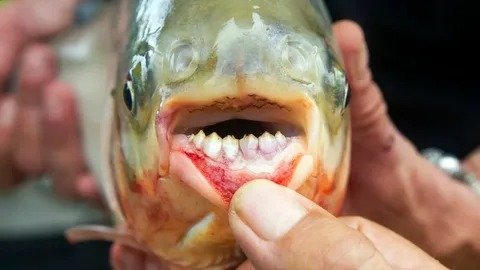
Piranhas are famous for their sharp, interlocking teeth, which are an important adaptation for obtaining and processing food. Their jaws can provide a strong bite relative to their size, allowing them to handle different types of food.
Their teeth have contributed heavily to their reputation. Stories about piranhas have often emphasized their ability to strip flesh rapidly, but real behavior depends on the species, environment, food supply, and circumstances. The image presented in entertainment media is frequently more dramatic than everyday observations of these fish.
For someone researching piragnia, examining the actual characteristics of piranhas provides a more reliable understanding than relying on sensational descriptions.
Are Piranhas Always Aggressive?
One of the most common misconceptions about piranhas is that they constantly attack anything entering the water. Their behavior is considerably more complex. Like other wild animals, piranhas respond to their surroundings, available food, environmental conditions, and perceived threats.
Some species live in groups, while social behavior can vary between species and situations. Grouping may provide ecological or defensive advantages rather than meaning that the fish are permanently searching for opportunities to attack larger animals.
This is another reason why information associated with piragnia should be separated from exaggerated popular portrayals. A factual article should distinguish established animal behavior from myths created or reinforced by entertainment.
Why Does the Spelling “Piragnia” Appear Online?
Unusual spellings can become visible online for several reasons. A person may type a word incorrectly, another website may copy that spelling, and subsequent pages may repeat it. Over time, repeated use can make the unfamiliar version appear more established than it actually is.
Pronunciation can also contribute to confusion. When a word is heard rather than read, people may reproduce its sounds using different combinations of letters. Search behavior can then reinforce these variations because users may continue searching for the version they originally encountered.
The growth of online content means that a term does not necessarily need to have a formal dictionary or scientific definition to generate search interest. This appears to be an important part of the curiosity surrounding piragnia.
How Should You Research Piragnia?
When researching an unusual term, it is useful to compare the spelling with recognized terminology and examine whether reputable scientific or educational sources use it. This approach helps prevent information from being repeated simply because it appears on multiple websites.
For piragnia, checking established information about piranhas provides a useful starting point. Readers should look for evidence of a scientific classification, recognized common name, habitat information, and references to established biological research before treating the term as the name of a separate species.
This habit is valuable beyond this particular keyword. The internet contains many spelling variations, informal names, and repeated claims, so checking terminology before accepting a description can make online research considerably more reliable.
Piragnia and Online Search Interest
Search interest surrounding unusual words often comes from uncertainty. People may encounter an unfamiliar term in a social media post, article, video, discussion, or search result and then look for an explanation. That pattern can create a cycle in which the unusual spelling becomes increasingly visible.
The term piragnia is a good example of why search intent matters. A person entering the keyword may not necessarily be searching for a completely different animal. They may simply want to know what the word means or whether it is connected with piranhas.
Providing a straightforward explanation is therefore more useful than inventing characteristics for a supposed species without reliable evidence.
Common Facts About Piranhas
Piranhas are freshwater fish primarily associated with South America. They belong mainly to the family Serrasalmidae, a group that also contains related fishes such as pacus.
Their bodies, teeth, jaws, and feeding habits vary among species. Although piranhas are well known for consuming animal matter, some species have substantial plant material in their diets. Their ecological role is also more complicated than their reputation as dangerous fish suggests.
These details provide the biological background needed to understand searches for piragnia without confusing an internet spelling variation with formal taxonomy.
Frequently Asked Questions
Is piragnia the same as piranha?
The term is generally encountered as a spelling variation or informal reference to piranha. It is not widely recognized as the scientific name of a separate fish species.
Is piragnia a scientific name?
No widely accepted scientific classification identifies piragnia as a distinct species. Piranhas, however, are scientifically recognized freshwater fishes belonging primarily to Serrasalmidae.
Where are piranhas found?
Piranhas are native to freshwater environments in South America. They are associated with major river systems and connected waterways across several regions.
Do piranhas only eat meat?
No. Their diets vary by species and circumstances. Some piranhas eat fish and other animals, while others also consume fruits, seeds, plants, and other food sources.
Why is the word piragnia searched online?
The unusual spelling may come from typing, pronunciation, or repeated use across online content. Many searches appear to be driven by curiosity about whether the term refers to piranhas or another species.
Conclusion
The term piragnia is best approached with a little caution because it does not have the same established biological status as the word piranha. While the spelling can lead readers toward information about South American freshwater fish, there is no strong basis for treating it as the accepted scientific name of a separate species.
Understanding the difference between online terminology and recognized biological classification makes the subject much clearer. Piranhas are diverse freshwater fish with varied diets and behaviors, while piragnia appears primarily to be an alternative or mistaken spelling associated with them. For anyone researching the keyword, focusing on verified information about piranhas while recognizing the spelling distinction offers a more accurate and useful picture.



Pingback: Cgabrielle Holmes: Biography, Facts and Online Details